The upcoming Z-Wave 2025B specification update marks a meaningful step forward for the Z-Wave ecosystem and will introduce support for revolutionary new self-powered device types through the Wake on Event End Node (WOEEN) role, smarter on-device automation, expanded support for sustainable hardware designs, and enhanced tools that streamline certification and development.
Together, these updates reinforce Z-Wave’s long-term commitment to reliability, interoperability, and innovation across the smart home and IoT landscape.
Z-Wave Expands Its Ecosystem with Self-Powered, Maintenance-Free Devices
The introduction of the new Wake on Event End Node (WOEEN) role within the 2025B specification represents one of the most transformative updates in Z-Wave’s history – expanding the ecosystem to include truly self-powered, maintenance-free devices for the first time.
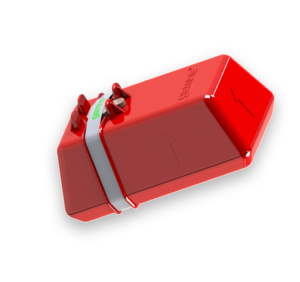
WOEEN enables a new class of battery-free, energy-harvesting devices that remain dormant until activated by an external trigger. This innovation removes the need for disposable batteries, paving the way for ultra-low-maintenance sensors, switches, and controls that reduce electronic waste, lower long-term upkeep costs, and improve user convenience.
By unlocking support for energy-harvesting and self-powered designs, WOEEN positions Z-Wave at the forefront of sustainable smart home development, opening new product categories while maintaining the protocol’s hallmark reliability and interoperability.
WOEEN will be included in the Z-Wave 2025B specification. A developer beta release of 2025B will be available starting December 19, 2025 for early testing and validation. The certifiable release (supporting the full 2025B spec) will be available starting January 9, 2026.
Active Scheduling Brings Intelligent, On-Device Automation to Z-Wave Products
The new Active Schedule Command Class introduces a powerful layer of local intelligence to Z-Wave devices.
By allowing products such as door locks, thermostats, and lighting systems to follow personalized schedules directly on the device, Active Scheduling enables smarter automation without relying on cloud services or constant controller communication. Doors can unlock at predefined times, temperatures can adjust automatically, and lighting can respond precisely to daily routines with fast, predictable performance.
With schedule logic running locally, these automations remain consistently responsive and reliable, even when network conditions change, enhancing convenience, comfort, and energy efficiency for end users.
New Capabilities for the Z-Wave End Device Emulator
To support these new capabilities, the Z-Wave End Device Emulator has been expanded with support for:
- Active Schedule Command Class
- Time Command Class v3
- User Credential Command Class v2
These additions allow manufacturers to simulate advanced device behaviors, including scheduling logic, time-based actions, and credential management, without requiring physical hardware. The result is faster iteration, improved test coverage, and higher-quality products entering the ecosystem.
Faster, Smarter Certification with New CTT Enhancements
The Z-Wave Compliance Test Tool (CTT) continues to evolve to better support modern development workflows.
New enhancements include automatic upload of CTT project files to the Certification Portal, reducing manual effort and accelerating certification reviews. Support for Z-Wave Long Range controller inclusion testing allows developers to validate key behaviors earlier in development, while the upcoming Linux version of the CTT Remote, available Q1 2026, enables easier integration with CI/CD pipelines and automated test environments.
Together, these improvements help manufacturers move from development to certification more efficiently—without compromising quality or interoperability.
Building the Next Generation of Z-Wave Innovation
The 2025B update reflects Z-Wave’s continued investment in smarter devices, sustainable design, and robust developer tools. By expanding on-device intelligence, enabling energy-harvesting products, and streamlining certification workflows, Z-Wave is equipping manufacturers to build reliable, future-ready solutions that scale with the evolving needs of the smart home.
As always, all new technologies introduced in the specification must complete the Z-Wave certification process to ensure interoperability, security, and performance across the ecosystem.