Smart Locks with Z-Wave: Seamless, Secure Entry for the Modern Smart Home
Smart locks are quickly becoming a must-have in today’s connected homes, offering convenience, security, and remote access all in one. For homeowners, builders, and integrators alike, the challenge lies in creating a system that’s not only secure and reliable but also easy to control from anywhere. A Z-Wave smart lock, like Yale’s Z-Wave-enabled smart locks, rises to the occasion by integrating smoothly into broader home automation systems and enabling smart routines. This turns fragmented smart home devices into a cohesive ecosystem, reducing user friction and increasing peace of mind. Whether managing multiple units in a residential development or setting up a custom smart home, Z-Wave-enabled smart locks deliver dependable performance without overwhelming setup complexity.
Why Z-Wave?
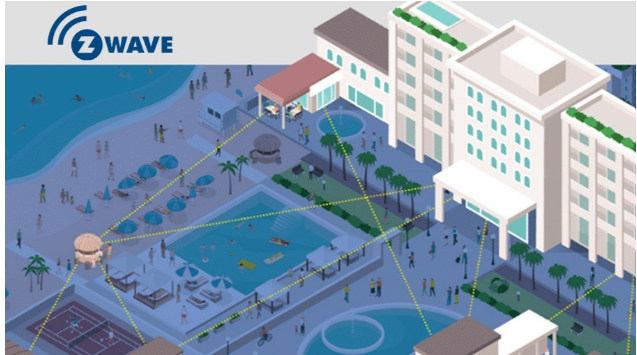
Z-Wave technology was designed with the smart home in mind. It enables secure, low-power communication between devices, making it ideal for battery-operated products, such as smart locks. Because Z-Wave uses a mesh network, it extends connectivity through nearby devices, meaning locks on the far side of a home still receive strong, reliable signals. Interoperability is another key advantage: a Z-Wave smart lock can work with sensors, thermostats, and lights from different brands, all managed through a single hub. And since it operates on a lower frequency, Z-Wave avoids the congestion that can cause delays or failures in critical devices. For consumers and pros alike, Z-Wave delivers a secure, long-range, and energy-efficient foundation for smart access control.
Common Applications & Devices
- Expanding Smart Access Across the Whole Home: Whether it’s your front door, garage entry, or back gate, Z-Wave’s mesh network helps smart locks stay connected—even in areas where Wi-Fi might drop off. Each Z-Wave device strengthens the network, so your lock works smoothly anywhere it’s installed. It’s a smart, low-energy way to create consistent, reliable access across your whole home.
- Reducing Battery Drain in High-Traffic Areas: Frequently used entry points, like front or side doors, benefit from Z-Wave’s low power design. Because Z-Wave devices communicate locally and don’t need to maintain a constant cloud connection, they help reduce battery drain over time, making it ideal for busy households, rentals, or shared spaces.
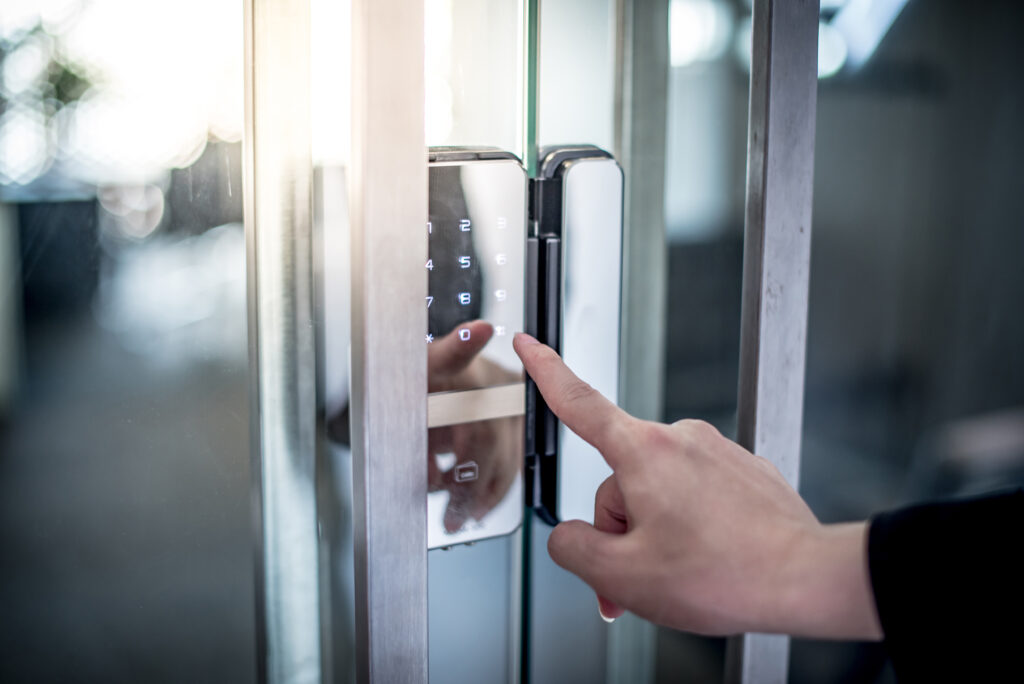
- Increased Compatibility: Yale’s first smart lock with Z-Wave 800 Series integrates seamlessly with the ADT+ base, enabling ADT customers to manage their security system from the lock itself. Powered by Z-Wave 800 Series, the lock features extended range for added control and reliability, longer battery life, and multiple unlocking methods for the ultimate convenience
Key Resources
Z-Wave Alliance Blog
See articles and interviews featuring Z-Wave member news, Z-Wave feature stories, and Z-Wave powered smart homes in the real world.
ADT and Yale Introduce First-Ever Z-Wave User Credential Command Class Lock, Expanding Smart Home Security with Fingerprint Control
The Z-Wave 800 Series smart lock is the first smart lock to leverage the newly introduced Z-Wave User Credential Command Class. This industry-first innovation allows users to unlock and disarm their ADT+ security system using just their fingerprint.
Understanding Different Types of Yale Smart Locks: Wi-Fi, Z-Wave, Matter, Bluetooth and Non-connected
Smart locks are changing the game, giving you easy control and front door access options that fit your lifestyle. Understanding the differences can help you choose the best smart lock for your home security.
Alfred Introduces Industry-First Interconnect Kit
See details on the Interconnect Kit, an industry-first solution that enables any Alfred smart deadbolt to function as a code-compliant interconnect lock with single-motion egress functionality, in both retrofit and new installs.
How Alfred Unlocked Success in the Smart Home Space
Explore how one of the Alliance’s rising members, Alfred, has leveraged their membership to thrive in the smart home market.