
Bridging IoT Protocols: Z-Wave, Matter, and Beyond
Modern IoT ecosystems thrive on choice, flexibility, and seamless interoperability. Z-Wave Alliance encourages its members to build and maintain user-friendly platforms that simplify integration while keeping performance and reliability front and center. This effort has resulted in powerful solutions that bridge Z-Wave with Matter and other wireless protocols.
Multi-Protocol Approach for Superior Experience
Supporting multiple wireless protocols gives consumers the freedom to choose the best devices for their needs. The Z-Wave Alliance actively promotes interoperable, multi-protocol strategies by aligning members, platforms, and standards bodies to make bridging Z-Wave with Matter and other technologies easier to design, test, and deploy at scale.
Standardized for Effortless Bridging
Z-Wave is a fully standardized wireless technology, making it especially well-suited for bridging to Matter and other protocols. Every Z-Wave device undergoes mandatory certification through the Z-Wave Alliance, ensuring consistent behavior and interoperability that significantly simplifies integration and cross-platform development.
Local-First Bridges for Speed and Reliability
Platforms like Home Assistant and Homey prioritize local, off-cloud communication between devices. This local-first approach improves response times, enhances reliability, and ensures core automations continue working even when the internet doesn’t.
Z-Wave Strength Meets Matter Reach
By bridging Z-Wave’s mature, reliable mesh with Matter’s IP-based ecosystem, Homey Bridge hubs deliver the best of both worlds. You get a single automation and rules engine across Z-Wave, Matter, and other protocols, enabling devices from different ecosystems to work together naturally without duplicated logic or fragmented user experiences.
Partnerships Around Thoughtful Integration
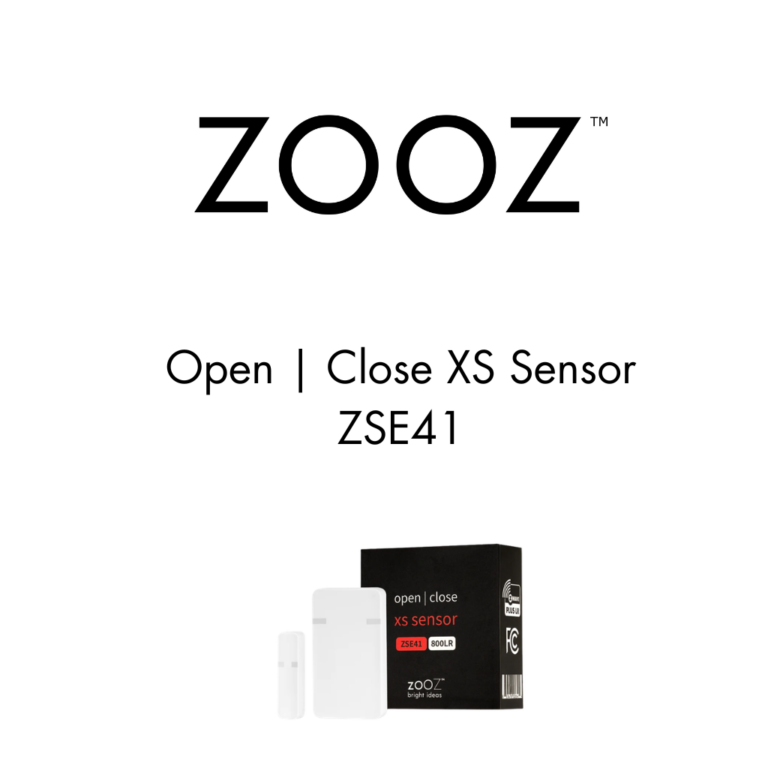
The Z-Wave Alliance actively connects members to simplify cross-platform integration and collaboration. A great example is the Zooz app developed for the Homey platform. It enables tighter integration and a smoother user experience with easy access to both basic and advanced features for multitasking products like sensors, scene controllers, or smart relays.