
By Z-Wave Alliance member IntLife
The Challenge
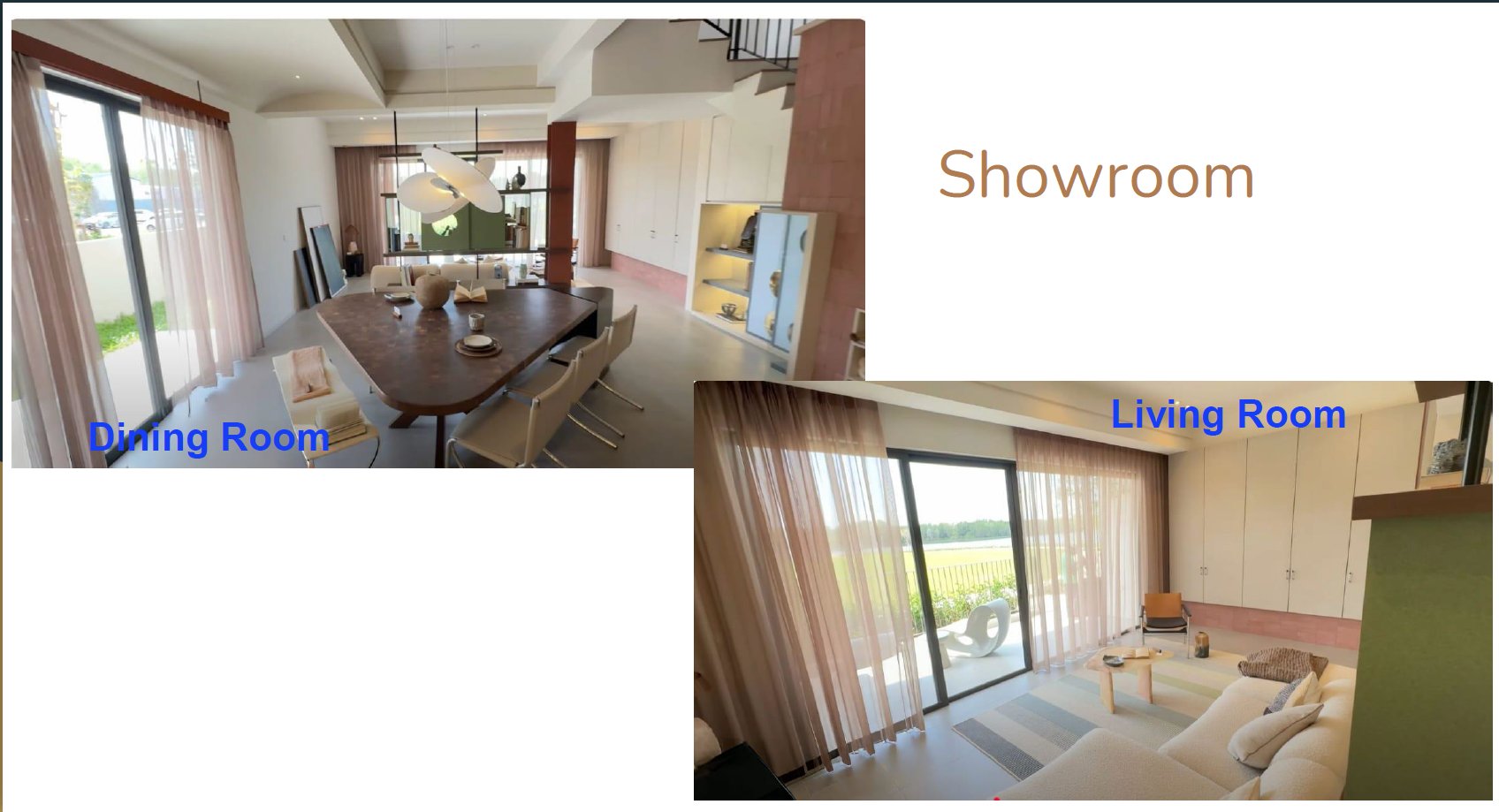
A leading property developer sought to demonstrate energy efficiency in a 1,070-square-foot residential showroom designed to mimic real-life home environments. The space included multiple air conditioning (AC) units distributed across bedrooms, a living room, and a dining area. Traditionally, staff manually set the AC to 20°C during working hours and shut it off at closing, leading to consistent but inefficient energy consumption.
The Solution
To showcase smarter, more sustainable energy usage, the developer deployed the Intlife Energy Management System. The system integrated several Internet of Things (IoT) components, including:
-
Z-Wave IR Blasters: To control AC units remotely.
-
Occupancy Sensors: To detect presence and tailor usage.
-
Smart Energy Meters: To monitor consumption in real time.
-
Intlife Gateway: To manage routines and device communication.
Two modes of operation were tested:
-
Normal Mode: Fixed schedule, with AC set to 20°C from 9:15 AM to 6 PM.
-
Energy Saving Mode: Smart scheduling with dynamic temperature adjustments (22–24°C) from 9:15 AM to 6 PM based on usage patterns and room conditions.
The Results
By switching to Energy Saving Mode, the showroom demonstrated a 17.2% reduction in average energy consumption, saving 5.5 kWh per hour of operation. CO₂ emissions were cut by nearly 30 kg per day, and average billing dropped by almost 19%.
| Metric | Normal Mode | Energy Saving Mode |
|---|---|---|
| Avg. Daily Energy Use (kWh) | 294.04 | 243.52 |
| Avg. Hourly Energy Use (kWh) | 32.67 | 27.06 |
| Avg. CO₂ Emission (kg/day) | 171.72 | 142.21 |
| Avg. Billing (RM) | 142.81 | 115.72 |
Despite the higher temperature setpoints in energy-saving mode, comfort levels were maintained. Daily temperature readings in both the living and dining rooms remained within a comfortable range (typically between 22–24°C), proving that smart control didn’t sacrifice occupant experience.
Conclusion
By adopting the Intlife Energy Management System, the property developer successfully demonstrated how automated, intelligent cooling can balance comfort and efficiency. The project not only reduced operating costs and environmental impact but also set the stage for the next innovation: AI-powered temperature optimization based on real-time occupancy data.
This case study highlights the tangible benefits of smart energy management and serves as a compelling model for residential developments aiming for greater sustainability without compromising resident satisfaction.